Joint Manipulation Therapy
Joint Manipulation Therapy
By Dr. Manish Singh – Chiropractor & Manual Therapy Specialist
Shri Balaji Physiotherapy Clinic
Joint Manipulation Therapy is a specialized manual therapy technique focused on improving the mobility and function of joints in the body. It involves precise, controlled movements applied to a joint to restore its normal range of motion, relieve pain, reduce stiffness, and enhance overall musculoskeletal function.
At Shri Balaji Physiotherapy Clinic, Dr. Manish Singh uses expert joint manipulation to treat conditions affecting the spine, shoulders, knees, elbows, wrists, hips, and other joints. This therapy addresses the root cause of restricted movement or pain, rather than just the symptoms, promoting long-term relief and better joint health.
Joint manipulation is particularly beneficial for patients with musculoskeletal pain, post-injury stiffness, or postural imbalances and is often combined with other physiotherapy techniques such as exercise therapy, manual therapy, and electrotherapy for optimal results.
Goals of Joint Manipulation Therapy
The main objectives of joint manipulation therapy include:
- Restore normal joint movement and flexibility
- Reduce joint stiffness and pain
- Improve overall mobility and function
- Correct misaligned or restricted joints
- Enhance circulation and nutrient supply to joint tissues
- Prevent future joint-related problems
- Promote faster recovery after injury or surgery
- Improve posture and body alignment
Techniques Used in Joint Manipulation Therapy
Joint manipulation therapy involves precise, hands-on techniques tailored to the patient’s condition and joint type:
1. Mobilization Techniques
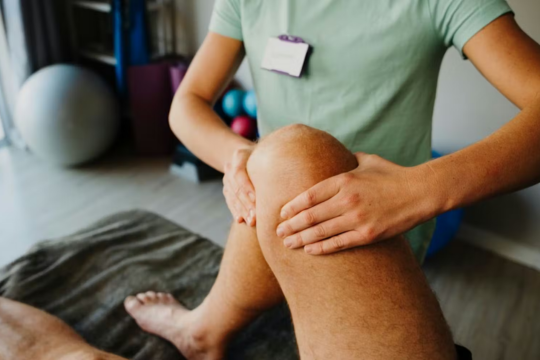
Gentle, repetitive movements are applied to a restricted joint to gradually increase its range of motion without causing pain.
2. High-Velocity Low-Amplitude (HVLA) Manipulation
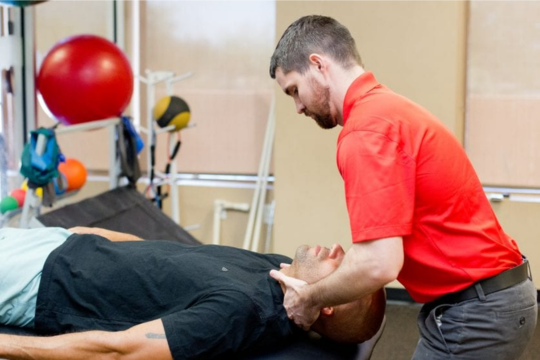
A quick, controlled thrust is applied to a joint to restore alignment, improve movement, and relieve nerve or muscle tension.
3. Soft Tissue Integration
Manipulation is often combined with soft tissue therapy to relax surrounding muscles, reduce tension, and maximize joint mobility.
4. Stretching and Controlled Motion
Therapists guide the joint through specific stretches and controlled movements to improve flexibility, reduce stiffness, and strengthen supporting structures.
5. Functional Joint Therapy
Focuses on restoring the joint’s natural function for daily activities such as walking, bending, lifting, or reaching overhead.
Conditions Treated with Joint Manipulation Therapy
Joint manipulation therapy is effective for a wide range of musculoskeletal problems, including:
- Back and Neck Pain
- Shoulder Pain and Frozen Shoulder
- Knee Pain and Ligament Injuries
- Hip and Pelvic Pain
- Elbow and Wrist Pain
- Arthritis and Joint Stiffness
- Sports Injuries
- Post-surgical joint recovery
- Restricted Range of Motion (ROM)
- Postural Imbalances
Benefits of Joint Manipulation Therapy
Joint manipulation provides several advantages for patients suffering from joint pain or mobility issues:
- Relieves pain naturally without medication
- Improves joint range of motion and flexibility
- Reduces muscle stiffness and tension around the joint
- Restores proper joint function
- Enhances circulation to support tissue healing
- Supports faster recovery from injuries or surgery
- Prevents recurring joint problems
- Promotes better posture and overall physical health
- Personalized Joint Therapy
Dr. Manish Singh evaluates each patient’s joints, posture, and medical history before designing a personalized joint manipulation therapy plan. This ensures safe and effective treatment tailored to the patient’s specific needs.
At Shri Balaji Physiotherapy Clinic, joint manipulation therapy is often combined with exercise therapy, electrotherapy, and postural correction to achieve comprehensive joint care and long-lasting results.